What to Do If You Find a Dead Animal in Your Wall in Toronto
How do you know there’s a dead animal in the wall?
The earliest indication is usually a noticeable dead animal smell that seems to come from one section of the property and becomes stronger in heated rooms or when the heat runs. Most people describe it as a faintly sweet, decaying, or acidic odour that never clears up with basic cleaning. If you are trying to figure out how to find dead animal in wall, start by noticing where the smell is most intense and whether it varies with airflow, dampness, or temperature.
More signs often suggest a hidden animal carcass inside a wall cavity. You may hear gnawing sounds, scratching, or scurrying prior to death, especially if the issue started as a rodent infestation. After death, you may see a fly infestation near a certain spot of wall, baseboard, or a vent. In some cases, the smell is the only obvious clue, and the decomposition is happening within drywall, building insulation, or plaster.
In Toronto, this is particularly common in older detached homes, semis, and multi-unit buildings where hidden voids, utility openings, and aging construction can hide pests for many weeks. If the odour is strongest near an exterior wall, attic, or mechanical room, a dead animal in the structure is a real possibility.
What should you do initially when you first smell the smell?
The initial 24 hours are important because the smell can spread quickly through vents and shared spaces. First, turn off HVAC or at least shut down the system that is circulating air through the affected area. This limits the spread of odour particles and helps keep the smell from circulating throughout the home.
Then, seal the room as much as possible. Close the door, block gaps under the door if you can, and avoid using fans that move air from the affected room to the rest of the house. If you suspect the source is in a bedroom, office, or utility closet, limit time in that room until you identify the problem.
Next, carefully locate the source carefully. Follow the strongest part of the smell along the wall, ceiling, baseboard, or around vents, but do not begin cutting into the wall right away. Wear protective gloves if you need to inspect a nearby closet, attic hatch, crawlspace, or utility area. Avoid touching any fluids, nesting material, or droppings.
If the smell is intense, open windows for ventilation while keeping pets and children away from the area. This will not fix the problem, but it can make the home safer while you decide whether you need professional help.
Can you take out a dead animal from a wall yourself?
In some cases, but it relies on whether you can securely reach the animal and whether the wall can be opened without causing further damage. A true wall cavity access job is often trickier than it looks. The carcass may be behind insulation, between studs, or in a finished wall where you would have to cut drywall, then restore, disinfect, and get rid of the odour afterwards.
There are also real safety hazards. A dead rodent or squirrel may carry parasites, bacteria, or body fluids that require cautious handling. If the animal is badly decomposed, the work becomes a biohazard cleanup issue, not just a basic removal. Even if you reach the carcass, you still need odor removal, disinfection, and proper removal.
Self-removal can make sense only if the source is clear, the access point is simple, and you are comfortable dealing with contamination. For many Toronto homeowners and tenants, the bigger challenge is not removal itself but the hidden cause. If a mouse, rat, or squirrel got in once, other pests may still be using the same entry points. That means the smell may come back unless the exclusion work is done properly.
Mosquito Man Toronto224 King St W #2401, Toronto, ON M5J 0A6, Canada
+16472437241
https://maps.app.goo.gl/VbxNrosScd6ZL8U39
https://mosquitoman.ca/pest-control/toronto/
JJX7+23 Toronto, Ontario, Canada
One thing to avoid is diy fumigation for mice or other improvised chemical treatments. Foggers, sprays, and strong deodorizers may mask the odour temporarily, but they do not remove the source and can make the space unsafe.
When is it the point to call pest control Toronto?
Now is the time to call pest control Toronto when you can’t easily identify the source, the smell is getting worse, or you suspect the animal is inside a finished wall, ceiling, or shared building system. A professional team can carry out dead rodent removal, inspect the area, and determine whether the issue came from mice, rats, squirrels, raccoons, or another animal.
This matters especially if the odour has been present for days on end, if flies keep appearing, or if you still hear movement elsewhere in the home. A proper inspection should look beyond the carcass and identify how the animal got in. Good providers also offer wildlife exclusion, which means sealing the structure so the problem does not repeat.
Toronto residents often search for pest control near me when they need a quick reply, but the right company should understand more than smell removal. They should be able to explain the underlying rodent infestation or wildlife issue, assess the wall cavity, and recommend cleanup and prevention together. In some cases, the right response is an emergency pest service, especially if the smell is severe or the animal is in a shared wall.
If the concern is not just a dead animal but active mice, rats, or squirrels, the provider should also have experience with mice control, rat removal, and broader wildlife control. That is how you fix the cause, not just the odour.
How much does pest control cost in Toronto for this problem?
The pest control Toronto cost for dead animal removal depends on access, the type of animal, whether repairs to the wall is needed, and whether decontamination or exclusion is included. A simple inspection and removal may cost less than a job that needs opening the wall, cleaning, and final sealing. In general, pest control cost Ontario can fluctuate widely based on the property type and urgency.
If you are checking pest control prices near me, make sure the quote accounts for more than just eliminating the carcass. Find out if the company provides odor removal, biohazard cleanup, and proofing work afterward. A less expensive quote can end up costly if you later need repairs, deodorizing, or a second visit.
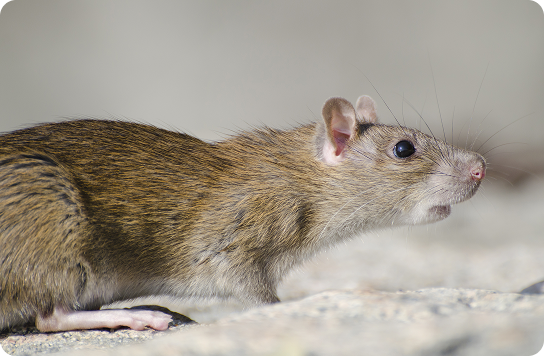
People often ask, how much is pest control for mice, because the dead animal is often the end result of a larger mouse issue. If the deceased animal came from a mice infestation or rat infestation, the total cost may cover trap placement, an inspection, and rodent exclusion rather than just removing the carcass.
For local context, homeowners in the GTA often review estimates such as pest control brampton prices, pest control hamilton prices, and pest control mississauga pricing options against Toronto options. Related searches also appear for pest control kitchener, pest control london ontario, pest control fredericton nb, and even regional providers or regional providers like adams pest control fredericton and adams pest control moncton. While those locations are different, they serve as a reminder to check what is actually included in the quote.
When it comes to different services, such as cockroach exterminator toronto cost, pricing may seem different, but the same idea applies: check about an inspection, the treatment, seal-up, and follow-up. The most affordable initial quote is not always the greatest value.
What when the dead animal is from a mouse, rat, or squirrel problem?
In many Toronto homes, a dead animal in the wall is a sign of a more serious pest issue. A mouse infestation can leave hidden nesting material in insulation, while a rodent infestation often points to wider openings or structural gaps. If it is a squirrel inside the wall, the access point may be on the roofline, soffit, or attic area.
The key question is not only what died, but why it got in. Every rodent or wildlife case involves entry points. These may include holes around pipes, vents, roof edges, utility penetrations, foundation lines, or damaged screens. If you do not close those openings, you may get a repeat infestation even after the carcass is removed.
In many cases, the dead animal smell is the initial clue that the home has ongoing pest pressure. That is why a proper response should link the smell to the larger mouse infestation or wildlife problem. If mice or rats are still active, they can continue nesting inside walls, chewing materials, and contaminating insulation.
How can pros locate and eliminate the source of the smell?
Experienced technicians rely on multiple methods to identify the issue. A typical tool is thermal imaging, which can help locate temperature differences behind walls, especially in low-temperature weather. They may also use sound, moisture readings, and a careful inspection of likely access areas to narrow down where the animal is trapped or decomposing.
Once the source is identified, the technician may make a small wall cutout to safely extract the carcass and any contaminated material. After removal, the area needs sanitization and disinfection to reduce bacteria and contamination. This step matters just as much as the removal itself, more so if the animal has been there long enough for fluids or odour to spread into insulation.
After cleanup, a quality provider will use an odor neutralizer designed to eliminate the smell rather than simply mask it. In more difficult cases, the wall cavity may need additional deodorizing and targeted ventilation so the remove dead animal odor process is actually complete.
This is also where experience with dead rodent removal and broader wildlife control pays off. A professional can find the carcass, clean the area, and identify the exclusion work needed to prevent another dead-animal incident.
How can you stop this from occurring again?
The most effective prevention starts with sealing gaps around the property. Tiny gaps may seem harmless, but mice and young rats can fit through surprisingly tight spaces. Examine utility lines, vents, roof transitions, soffits, and any damaged trim. Prevention is not only about blocking one hole; it is about full-home proofing.
An attic inspection is one of the most useful steps in Toronto homes, especially where pests may enter from the roof or upper exterior. Watch for droppings, nesting material, chewed insulation, and signs of recent activity. The attic can reveal whether the problem started above the wall rather than from the basement.
Also examine the foundation. Small foundation cracks and gaps where pipes enter the home can become major access routes. In older properties, especially in Toronto’s older neighbourhoods, these openings are regular and often hidden from view. Professional exclusion services are often the most effective way to close them https://oakville-oneq206.trexgame.net/how-regularly-should-pest-management-be-done-in-toronto properly.
Good prevention is a mix of wildlife exclusion, maintenance, and regular monitoring. If you have recurring issues, seasonal inspections are smarter than waiting for another smell to appear.
Local Toronto considerations homeowners should know
Toronto has a particular mix of housing that makes dead-animal problems more common than many people expect. Older detached homes and semis often have aging construction, which creates hidden wall voids and unnoticed access routes. Multi-unit buildings can make matters more complicated because a smell may travel through shared chases, service spaces, or adjacent units.
The Greater Toronto Area also experiences strong seasonal rodent pressure. As temperatures swing, mice and rats are pushed indoors looking for warmth, food, and shelter. That means winter and shoulder seasons can increase the chances of a rodent infestation, wall contamination, and ultimately a dead animal smell in the home.
There is also a practical contrast between landlord and tenant duties in Toronto. In a condo or rental, the question is often who is responsible for the wall, the repair, and the pest control response. Tenants should report the smell without delay, while landlords, property managers, or condo boards may need to arrange access, inspection, and repair. Homeowners typically manage the complete process themselves, including cleanup and exclusion.
If you are in nearby cities and comparing options, searches like pest control mississauga, pest control brampton prices, and pest control hamilton prices show how strong the regional demand is. That same demand applies across the GTA, where fast response and proper exclusion count more than simple deodorizing.
FAQ: dead animal in wall removal and pest control costs
How long does the smell of a dead animal in a wall last?
The smell can last anywhere from several days to a few weeks, depending on the animal size, wall type, temperature, and ventilation. In some cases, odour lingers longer if fluids soaked into insulation or if the carcass is hard to reach. Proper removal, sanitization, and odor removal cut down the timeline significantly.
Can I remove a dead animal from the wall myself?
Yes, but only if the access is safe, the carcass is easy to reach, and you are prepared for cleanup. If there is any chance of contamination, structural damage, or hidden infestation, it is safer to call a professional. DIY work often misses the source, the cleanup, or the exclusion step.
How much does pest control Toronto cost for dead animal removal?
The price depends on access, animal type, cleanup needs, and whether exclusion is included. A basic service may be relatively modest, but costs rise if the wall must be opened, sanitized, repaired, or sealed. Ask for a complete quote that includes inspection, removal, and follow-up recommendations.
Will the pest control company also seal entry points?
Many reputable companies do, but not all of them include it in the base service. Ask whether the quote covers wildlife exclusion, sealing gaps, and proofing around common entry points. If it does not, you may still have the same pest problem later.
Could a deceased animal inside the wall considered a biohazard?
It can be, especially if the body has broken down for many days or if liquids, feces, or parasites are detected. In these cases, hazard cleanup, decontamination, and proper disposal are suggested. Treat the area with caution until it has been checked and cleared.